
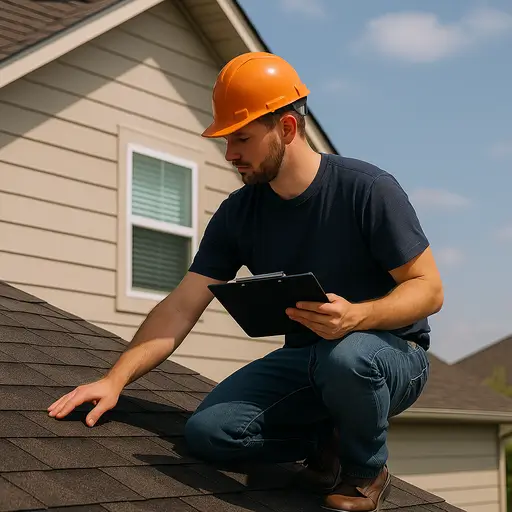
Roof replacement costs often surprise homeowners with unexpected expenses and hidden fees. A typical roof replacement in Arizona ranges from $5,000 to $25,000, depending on several key factors.
Understanding what factors influence the overall cost of roof replacement for homeowners helps you plan better and avoid budget issues. Your choice of materials, labor costs, and roof size create the biggest impact on your final price.
Key Takeaways
- Roof replacement in Arizona typically costs between $5,000 to $25,000, with material choice, labor, and size being the main cost drivers.
- Asphalt shingles offer the most budget-friendly option, while metal, tile, and slate roofing cost more but last longer. Local weather plays a big role in material selection.
- Contractors measure roofs in squares (100 square feet), and complex designs with multiple slopes, skylights, or chimneys increase labor costs. Steep pitches need special safety gear.
- Labor rates vary by season, with peak times in late spring and summer often having higher prices. Getting multiple quotes helps find the best local rates.
- Hidden costs include old roof removal, disposal fees, and accessibility challenges. Multi-story homes and hard-to-reach areas need extra workers and equipment.
Major Factors Affecting Roof Replacement Cost
Several key elements shape the final price tag of a new roof for your home. Understanding these cost factors helps homeowners make smart choices and plan their budget for roof replacement projects.
Choosing Roofing Materials
Roofing materials play a major role in the total cost of your roof replacement project. Asphalt shingles stand as the most budget-friendly choice for homeowners in Surprise, Arizona.
These materials offer good value and remain the most common pick across the region. Metal roofing costs more upfront but delivers excellent durability and weather resistance. Premium options like tile and slate carry higher price tags while promising longer lifespans and less maintenance over time.
Your material choice impacts both short-term expenses and long-term value for your property. The hot Arizona climate makes reflective roofing materials a smart investment through lower energy costs.
Most roofing materials include warranties that protect against early failures, adding value to your investment. Each type of material needs different care and upkeep, which affects your ongoing costs.
The right pick balances your budget with lasting performance in our local weather conditions.
Calculating Roof Size and Complexity
Roof size plays a major role in the total cost of your replacement project. Professional contractors measure roofs in squares, with one square equal to 100 square feet of roofing area.
Your total roof square footage gets divided by 100 to determine the number of squares needed. A larger roof naturally requires more materials and labor time, which directly impacts the final price of your project.
Complex roof designs create extra challenges that affect installation costs. Multiple slopes, corners, valleys, and gables make the job more difficult for workers. The presence of skylights, chimneys, or vents also adds time to the installation process.
Steep roof pitches force crews to work more slowly and use special safety equipment. These factors lead to higher labor costs since workers must take extra care during installation.
The number of penetrations through your roof surface, such as vents and skylights, requires careful attention to prevent future leaks.
Evaluating Labor Costs and Regional Variations
Labor costs make up a large part of roof replacement expenses in Surprise, Arizona. Skilled roofers charge different rates based on the local market and job details. The total price depends on team size, project complexity, and current demand for roofing services.
Most contractors adjust their rates during peak seasons, which typically run through late spring and summer months.
Market conditions in Arizona influence local roofing costs through building codes and permit rules. Professional roofers with proven experience often charge more but deliver precise installations that prevent future problems.
The cost of living and regional demand create price differences across neighboring areas. Smart homeowners gather multiple quotes from local contractors to compare labor rates and service quality.
Off-peak seasons might offer better deals due to lower demand for roofing work.
Handling Removal and Disposal of Old Roofing
Removing old roofing materials creates a big part of your roof replacement cost. The process needs careful property protection through tarping and other safety measures. Most roofs with multiple layers require extra work hours and higher disposal fees.
Your roofing contractor must safely remove each layer before starting the new installation.
The disposal of old roofing materials involves specific costs that many homeowners overlook. These fees can change based on local rules and the amount of waste. Smart homeowners set aside extra money for hidden problems like rotted decking or structural damage found during removal.
A clear talk with your contractor about disposal costs helps avoid surprise charges later. The total price includes both removal labor and dump fees for all materials.
Assessing Roof Accessibility
Roof accessibility plays a major role in your roof replacement costs. Multi-story homes and steep roof pitches need extra safety equipment and more workers to complete the job safely.
Your roofing company must factor in obstacles like trees, shrubs, or limited access points that slow down the work process. These challenges often lead to higher labor costs and longer project times.
Local building codes in Surprise, Arizona require specific safety measures for different roof types. Your property might need special equipment or extra crew members to handle hard-to-reach areas.
Features such as chimneys, skylights, roof vents, and AC units create more work for the installation team. The distance between the material storage and your roof can also raise the total project cost.
Smart landscaping choices near your home can help reduce these accessibility issues for future roof work.
Conclusion
Smart planning helps homeowners control their roof replacement costs. Many factors shape the final price tag, from material choices to labor rates and local weather patterns. Understanding these key elements allows property owners to make budget-friendly choices while getting quality results.
Your research and careful planning today will lead to a successful roofing project tomorrow.
FAQs
1. What are the main factors that influence roof replacement cost?
The cost to replace a roof depends on your roof’s square footage, the type of roofing material you choose, and labor costs. Roof complexity and current roof condition also affect the final pricing.
2. How does roof size impact the cost of a new roof?
Roofing costs are calculated per square foot, with larger roofs requiring more materials and labor time for installation.
3. Do different roofing materials change the price of replacement?
Yes, roofing material choices greatly impact the total cost. Common roofing materials like basic shingles cost less than premium options, while quality roofing materials offer better durability and longer performance.
4. How does the weather affect roof replacement costs?
Extreme weather conditions can increase labor costs and extend the roofing project timeline. Home insurance might cover some repair costs if roof damage comes from storms or severe weather.
5. Should I consider the removal of old roofing in my budget?
The cost of removing and disposing of old roofing materials adds to your upfront cost. Professional roofing crews must safely remove existing roof layers before installing new materials.
6. Why are roof inspections important before getting price quotes?
Regular roof inspections help identify damage and needed repairs, letting homeowners make informed decisions about timing their roof replacement. Understanding these factors through inspection helps get accurate cost estimates for your roofing project.