
Your roof might be sending you warning signs right now. Most homeowners miss these vital signals until water starts dripping from their ceiling. Signs your roof needs maintenance can save you from costly repairs down the road.
We’ll show you seven clear signs that tell you it’s time to call a roofing professional.
Key Takeaways
- Check your roof often for curled, cracked, or missing shingles to prevent water damage. Black granules in gutters mean your shingles are wearing out fast.
- Water stains on walls or ceilings point to active roof leaks that need quick fixes. Put buckets under leaks right away and remove wet items from the area.
- Green moss or algae growing on your roof traps moisture and speeds up damage. A sagging roofline shows serious structural problems that need immediate attention.
- Light coming through attic boards means your roof has dangerous gaps or holes. Check your attic each season to catch these problems early.
- Regular roof maintenance saves money by catching small issues before they become major repairs. Call a roofing expert when you spot the first signs of trouble.
Identifying Signs That Indicate Roof Maintenance Is Needed
Your roof sends clear signals before major problems strike. These warning signs often start small but can lead to costly repairs if you ignore them, making regular checks a smart move for your wallet and peace of mind.
Curling, Cracked, or Missing Shingles
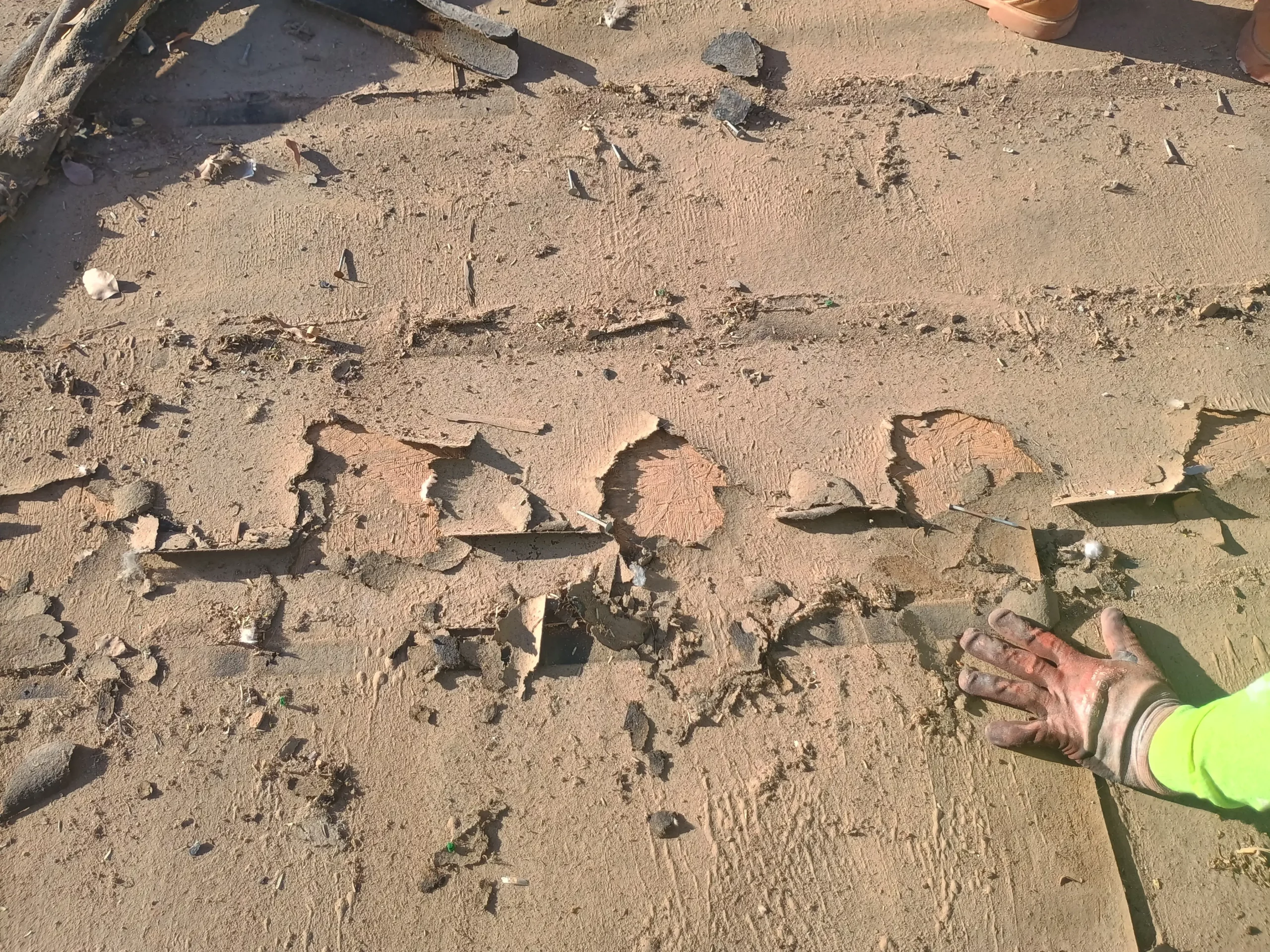
Damaged shingles spell trouble for any roof in the harsh Surprise, Arizona, climate. Missing or cracked shingles leave roofs exposed to leaks, creating paths for water to seep inside homes and businesses.
Curled shingle edges and cupped tabs signal serious wear that needs quick attention from a professional roofer.
Granule loss from aging shingles makes roofs more likely to fail during monsoon season. A roof inspection helps catch these warning signs before major problems start. The intense desert sun breaks down roofing materials fast, making regular checks vital for catching issues early.
Professional roofers spot problems that untrained eyes might miss, saving money on future repairs.
Presence of Granules in Gutters
Your roof’s granules play a vital role in protecting your home from harsh Arizona sun and weather. These tiny particles coat your asphalt shingles and shield them from UV rays and other elements.
Loose granules in your gutters or around downspouts signal that your shingles are wearing out fast. The more granules you spot, the closer you might be to needing a roof replacement.
Regular checks of your gutters can help you catch roofing problems early. Most homeowners notice black, sandy granules collecting at the bottom of their downspouts or clogging their rain gutters.
This buildup means your roof’s protective layer is breaking down. A professional roof inspection can determine if you need simple repairs or a full roof replacement. The sooner you address granule loss, the better chance you have of avoiding costly water damage to your home’s structure.
Evidence of Water Leaks or Stains
Water stains on ceilings or walls signal serious roof problems that need quick action. These marks often lead to dangerous mold growth and costly structural damage in homes across Surprise, Arizona.
Dark spots or discolored patches on interior surfaces point to active roof leaks that will only get worse with time.
Professional roof inspections become vital at the first sight of moisture damage or ceiling stains. Place buckets under active leaks right away to catch water and remove wet items from the affected areas.
Good ventilation helps slow down further damage while you document the issues for insurance purposes. Fixing small leaks now prevents major expenses later, as water damage spreads fast through roofing materials and home structures.
Growth of Moss, Algae, or Other Vegetation
Green patches on your roof spell trouble. Moss and algae thrive in shaded spots on your roof, trapping moisture that leads to serious damage. These unwanted plants create a perfect home for moisture, which speeds up the breakdown of your roofing materials.
Dark streaks from airborne algae often show up first, followed by thick moss growth that blocks proper water flow.
Your roof needs to stay dry and clean to work right. The presence of any plant life means your roof isn’t shedding water like it should. Moisture-loving organisms make their home in spots where sunlight rarely reaches, causing rot and deterioration over time.
A roof inspection can spot these issues before they turn into costly repairs that hurt your wallet.
Signs of Sagging or Drooping Rooflines
A sagging roofline signals major trouble for your home’s structure. Your roof will show clear dips or waves instead of a straight line across the top. This problem often starts from moisture damage or poor airflow in your attic space.
Bad ventilation traps heat and moisture, which breaks down your roof’s support beams over time.
Structural issues need quick action to prevent bigger problems. Damaged shingles, broken flashing, or worn underlayment can let water seep into your roof’s frame. The moisture ruins wooden beams and creates weak spots that make your roof sink.
A drooping roof puts extra stress on your walls and foundation. Your local roofing contractor should check these issues right away to protect your home’s value and safety.
Light Penetrating Through the Attic
Light streaming through your attic boards signals major roof trouble. Your roof needs quick repairs if sunlight peeks through gaps or holes in the roofing material. Dark spots and water stains on your rafters point to active leaks that will damage your home’s structure.
These warning signs mean moisture can seep in and wreck your attic space.
Regular attic checks help catch these issues early before they turn into costly repairs. Smart homeowners inspect their attics every season to spot any daylight coming through the roof boards.
Taking photos of visible damage helps roofing contractors understand the problem’s scope. Missing shingles or damaged sections need fast fixes to keep your home safe and dry. The health of your roof depends on catching these warning signs quickly.
Conclusion
Your roof stands as your home’s first line of defense against harsh weather. Regular checks can spot small problems before they grow into costly repairs. Smart homeowners take action at the first sign of trouble, saving both money and stress.
A quick call to a trusted roofing expert helps protect your biggest investment. Stay ahead of roof issues today to avoid major headaches tomorrow.
FAQs
1. What are common signs that my roof needs repair?
The most important signs include cracked or missing shingles, water stains on ceilings, mold growth, and damaged flashing. Regular roof inspections can spot these issues before major damage is done.
2. How often should I inspect my roof for maintenance?
You should inspect your roof twice a year and after severe storms with high winds or hail. A professional roofing contractor can perform a thorough roof inspection to catch problems early.
3. What’s the typical lifespan of an asphalt shingle roof?
An asphalt shingle roof typically lasts 20-25 years with proper maintenance. The age of your roof is a key factor in deciding if it’s time for a full replacement.
4. Can I repair my roof myself or do I need a professional?
Always hire a professional roofing contractor for repairs or replacement to ensure proper roof structure and safety. DIY repairs might void your home insurance coverage.
5. How do I know if I need a roof repair or a complete replacement?
If your roof shows multiple signs of damage, like moisture signs, damaged shingles, and poor ventilation, it’s time to consider a new roof. A single damaged area might only need repair.
6. What role does proper ventilation play in roof maintenance?
Proper roof ventilation prevents mildew growth and extends the life of your roof. Poor airflow can trap moisture and heat, leading to early roof damage and the need for premature replacement.