
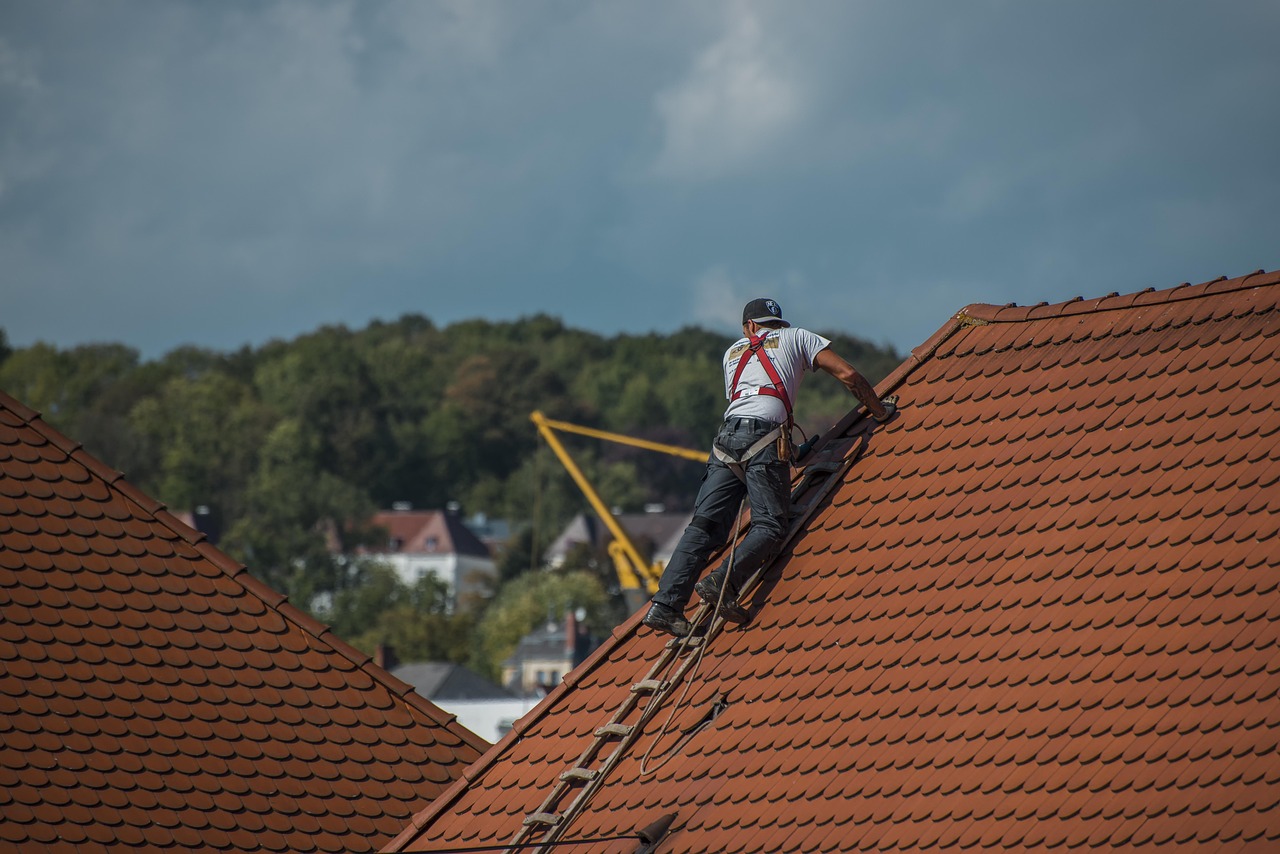
Your roof might show signs of damage right now without you knowing it, and it may be time for a new roof if the damage is extensive. Most homeowners wait too long to check their roofs, leading to costly repairs that could have been prevented.
Signs you need roof repair can range from water spots on your ceiling to missing shingles after a storm. You must spot these warning signs early to protect your home; if you notice significant issues, it may be time to replace your roof.
Key Takeaways
- A sagging roof shows major structural problems that need quick repairs. Look for dips or uneven spots in your roofline.
- Water stains on ceilings and walls point to roof leaks. These leaks can lead to mold growth and costly damage if left unfixed.
- Missing or damaged shingles leave your roof open to weather damage. Check for cracked, curled, or missing pieces after storms, as it may be time to replace your roof if you find significant damage.
- Black granules in gutters or on the ground mean your shingles are wearing out. This makes your roof weak against the sun and rain.
- Green moss or dark mold growing on your roof traps moisture and speeds up damage. These growths often signal poor ventilation or hidden leaks.
Sagging Roof
A sturdy roof protects homes from harsh Arizona weather. Sagging spots in your roof signal major structural problems that need fast action.
The middle of your roof should stay straight and level. Extra weight from multiple shingle layers or water damage makes roofs sag and sink.
Bad installation practices create weak spots that lead to drooping sections, suggesting it may be time to replace your roof. These issues damage the framework underneath and cost more to fix over time. Professional roofers must check sagging areas right away to prevent bigger problems.
Water Leaks
Water leaks spell trouble for your roof’s health. Rainfall often reveals hidden holes or cracks through unwanted drips inside your home. These leaks create dark spots on your ceiling and walls, pointing to serious roof damage.
Most water damage shows that it may be time to replace your roof if left unaddressed, up at the lowest points of your roof structure, making it easy to spot compared to regular plumbing issues.
Your roof needs quick attention if you notice water stains or active drips, as it may be time to replace the roof if these signs persist. Ignoring these warning signs leads to bigger problems like dangerous mold growth and costly structural repairs.
Regular roof inspections help catch these issues early, saving you thousands in potential damage. Water intrusion through your roof creates perfect conditions for harmful mildew to spread throughout your home.
Missing shingles or damaged roof areas might be letting water sneak into places it shouldn’t go.
Next, let’s explore why granules in your gutters could signal serious roofing problems.
Damaged or Missing Shingles
Beyond water leaks, damaged shingles create serious problems for your roof’s health. Missing, cracked, or curled shingles leave your roof open to harsh Arizona weather, and if these issues are present, it may be time to replace your roof. Broken or dented spots on your roof need quick attention from a professional, as it may be time to replace your roof if the damage is severe. Contact a roofing professional quickly before the problem becomes larger.
Your roof’s shingles act as its first defense against rain, sun, and wind. Cracked or ripped shingles get worse with each storm, leading to costly repairs. A thorough check of your roof will spot these issues before they turn into major headaches, and it may be time to replace your roof if problems are found.
Most roofing contractors offer free inspections to find damaged spots that need fixing right away.
Granules in Gutters or Downspouts
Loose granules in your gutters signal serious roof troubles. Your Asphalt shingles shed, which can rot your wooden roof structure, and if this is happening, it may be time to replace your roof. These protective particles age and wear down. The granules guard your roof against harsh UV rays and water damage.
Missing granules leave dark or faded spots on your shingles, making them weak spots for leaks.
Regular checks of your gutters and downspouts help catch granule loss early. You might spot black granules collecting in your driveway or yard after rain. This granule loss speeds up shingle damage and puts your roof at risk.
A quick inspection of your gutters each season saves you from costly water damage and full roof replacement later.
Moss, Algae, or Mold Growth
Green patches on your roof spell trouble in Surprise, Arizona, and it may be time for a new roof if they appear. Moss and algae create a perfect trap for water, leading to severe damage to your roofing materials. These unwanted guests love to grow between shingles and hold moisture against your roof surface.
The trapped water speeds up the breakdown of your roofing materials, causing rot and decay. Your roof needs proper airflow to stay dry and strong, but moss blocks this natural process.
Dark spots or fuzzy growths on your roof point to a bigger problem hiding underneath, indicating it may be time for a new roof. Mold often shows up because of leaks or poor roof ventilation, which can rot your wooden roof structure and indicate that it may be time to replace your roof.
A professional roof inspection will spot these issues early before they turn into costly repairs. The presence of mold, moss, or mildew signals that your roofing materials are breaking down.
Quick action through roof repair or replacement saves money and protects your property value. A moldy roof threatens both your building’s structure and your health through poor air quality.
Conclusion
Your roof protects your home from harsh weather and costly damage. Quick action on these warning signs saves money and prevents bigger problems. Regular roof checks help catch issues early, keeping your family safe and dry.
Call a trusted roofing expert today to inspect your roof and give you peace of mind.
FAQs
1. What are the most common signs that I need a new roof?
Look for cracked shingles, water leaks in your attic, and granules falling off asphalt shingles. Your roof needs to be replaced if you spot sagging areas or notice missing roof tiles.
2. How long should my roof last before it needs replacement?
An asphalt roof typically lasts 20-25 years with proper care. The life of your roof depends on weather damage, ventilation quality, and regular maintenance.
3. Will my home insurance cover roof replacement?
Insurance companies often cover roof damage from hail or floods. Contact your insurance company to check your deductible and coverage details.
4. What happens if I delay getting a roof repair?
Putting off roof repairs leads to bigger problems like water damage and higher expenses. Minor repairs can save you thousands compared to a full replacement.
5. Should I repair or replace my old roof?
A roofing professional can help you determine if repairs or replacement make more sense. The age of your roof, the extent of wear and tear, and current damage all factor into this choice.
6. How can I inspect my roof for damage?
Look at your roof from ground level for signs of damaged shingles or tiles. Check your attic for water stains, and inspect rain gutters for loose granules from asphalt shingles.