The scorching Arizona sun can damage your roof and spike up energy bills. A proper roof coating creates a shield that blocks 85% of harmful UV rays from reaching your home. Roof coating benefits include lower cooling costs, longer roof life, and better protection against leaks.
Your roof needs this vital upgrade to stay strong through extreme weather.
Key Takeaways
- Roof coatings block 85% of harmful UV rays and can extend a roof’s life by 10-20 years while cutting energy costs by 15%.
- Two main coating types exist: silicone coatings (which reflect 90% of sunlight and handle standing water well) and acrylic coatings (which cost less but may get brittle if water pools).
- Regular roof maintenance needs monthly gutter checks, twice-yearly professional inspections, and prompt repairs of damaged shingles to prevent water damage.
- Modern coating systems create a seamless barrier that stops leaks, reflects heat, and protects against Arizona’s harsh desert climate and monsoon rains.
- The right coating choice depends on your roof type, local weather, and budget, with reflective properties being crucial for Arizona buildings to fight heat absorption.
What Is a Roof Coating?
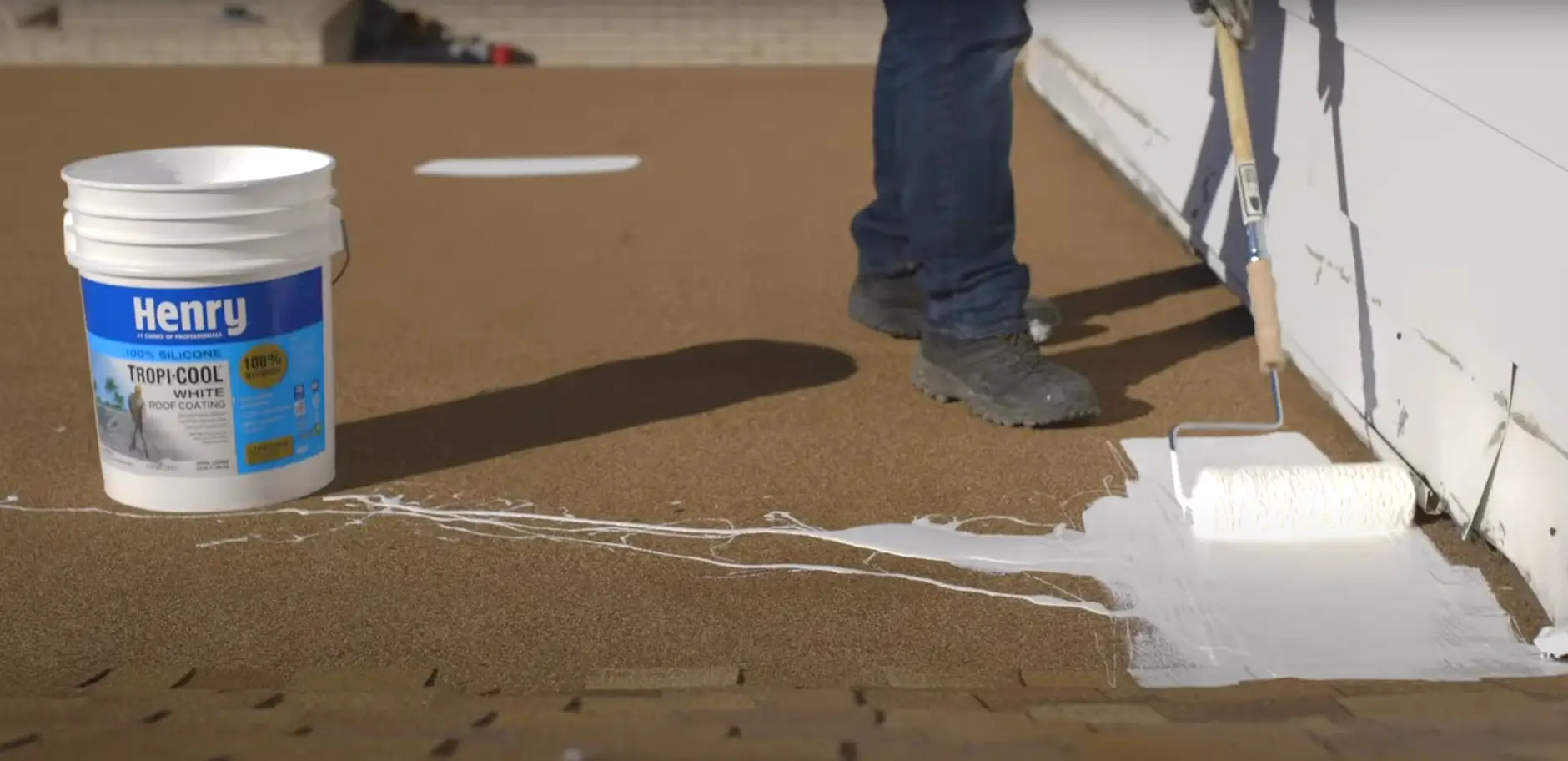
Roof coating acts as a protective shield for your building’s top surface. This fluid-applied membrane sticks completely to your roof and creates a seamless barrier. Modern roof coatings contain special elastic materials that stretch and bounce back to their original form.
These coatings work great for both homes and businesses in Surprise’s hot climate.
Your roof faces harsh weather and intense UV rays daily. A proper coating system guards against moisture damage and stops leaks before they start. Most coatings use materials like acrylic, silicone, polyurethane, or asphalt as their base.
Each type offers specific benefits for different roof surfaces. These coatings create a strong defense while making your building more energy-efficient.
Key Benefits of Roof Coatings
Roof coatings create a strong shield against harsh weather and protect your building from costly repairs. A good coating system will slash your energy bills and extend your roof’s life by 10-15 years.
Energy Savings
A reflective roof coating cuts energy costs in the hot Arizona climate. Property owners save money through lower cooling bills and reduced air conditioning usage. Modern coating materials reflect up to 85% of the sun’s heat away from buildings.
This reflection leads to cooler indoor spaces and less strain on HVAC systems during peak summer months.
Cool roofs make a big difference in energy expenses for local businesses and homes. The coating technology reflects up to 90% of harmful UV rays from reaching interior spaces. Most buildings see a 15% drop in peak cooling needs after applying these coatings.
Many energy-efficient coating products qualify for tax breaks and rebates, making installation more affordable. The urban heat island effect decreases as more buildings use these reflective surfaces.
Smart property owners choose these coatings to fight rising energy costs while helping the environment.
Extended Roof Life
Roof coatings create a strong shield that extends your roof’s life by up to 20 years. These protective layers guard against harsh weather damage, UV rays, and daily wear in Surprise’s intense desert climate.
Your roof stays strong through scorching summers and rare but heavy monsoon rains.
Regular maintenance helps roof coatings work better at stopping leaks, cracks, and wear. The coating forms a seamless barrier that blocks snow, ice, and hail from harming your roof structure.
This simple solution costs less than full roof replacements and needs fewer repairs over time. Most property owners save money because they don’t need to fix their roofs as often.
Protection Against Leaks and Weathering
Roof coatings create a seamless shield that stops water from seeping into your building. This protective layer guards against harsh Arizona sun, heavy monsoon rains, and extreme temperature changes.
Modern coating systems offer excellent defense against physical damage while preventing cracks and leaks from forming. The seamless application method fills tiny gaps and creates a waterproof barrier across your entire roof surface.
UV rays can cause serious damage to roofing materials in Surprise’s intense desert climate. Quality roof coatings reflect harmful ultraviolet radiation and protect underlying components from fading or breaking down.
These coatings also resist weathering from wind, rain, and debris that could otherwise compromise your roof’s integrity. The next section explores the main types of protective roof coatings available for your property.
Types of Roof Coatings
Roof coatings offer two main options that protect buildings from harsh weather – read on to learn which type suits your needs best.
Silicone Coatings
Silicone coatings stand out as a top choice for property protection in Arizona’s harsh climate. These powerful coatings, made from silicone polymers, create a strong shield against UV rays and reflect up to 90% of sunlight.
The coating stays flexible through extreme temperature changes and fights off algae growth, making it perfect for local weather conditions.
Modern silicone roof coatings like Polybrite 90.2 and Polybrite 95.1 offer superior defense against water damage. These coatings form a waterproof barrier that stops leaks and handles standing water without breaking down.
Their unique formula maintains flexibility over many years, which helps prevent cracks and splits in the coating layer. Small business owners and homeowners can count on silicone coatings to protect their buildings while cutting energy costs through better temperature control.
Acrylic Coatings
Acrylic roof coatings create a strong shield against harsh weather. These coatings form a seamless waterproof layer that stops leaks and protects your roof from sun damage. Most property owners choose acrylic coatings because they cost less than other options.
The coating resists algae and moss growth, which makes it perfect for Arizona’s hot climate.
Your roof needs special care to handle extreme desert conditions. Acrylic coatings work great on most roof types and offer good UV protection. The coating might get brittle if water pools on top, so proper drainage matters.
Many building owners pick white acrylic coatings to reflect sunlight and keep buildings cooler. The reflective surface helps cut down on energy bills during those scorching Arizona summers.
Roof Waterproofing Methods
Proper roof waterproofing stands as your first defense against water damage in Surprise’s harsh desert climate. Modern waterproofing methods create seamless barriers that stop leaks and extend roof life.
- Liquid Membrane Application creates a continuous waterproof layer across the entire roof surface.
- Sheet Membrane Systems use large rubber or plastic sheets that bond together for complete coverage.
- Built-up Roofing layers multiple waterproof materials with hot tar between each layer.
- Spray Foam Systems combine insulation with waterproofing in one application process.
- Silicone Coating spreads easily and cures into a strong water barrier that reflects UV rays.
- Elastomeric Coating flexes with temperature changes while keeping water out.
- Metal Panel Systems lock together with special seals at each joint.
- Modified Bitumen uses rubber-based sheets that stick firmly to the roof deck.
- Polyurethane Coating forms a tough shell that resists impacts and water.
- Cementitious Waterproofing mixes with roof materials to block moisture from the inside out.
- EPDM Rubber creates a single-piece cover that lasts up to 30 years.
- TPO Membrane reflects heat while providing excellent water protection.
- Cold-applied Systems work well in hot Arizona weather without heat application.
- Torch-down Methods melt layers together for a complete seal.
- Surface Sealants fill tiny gaps and cracks that could let water seep through.
Roof Maintenance Checklist
Regular roof maintenance saves money and extends your roof’s life. A well-maintained roof protects your home from weather damage and costly repairs.
- Check gutters monthly for leaves, twigs, and debris that block water flow
- Remove tree branches that hang over your roof to prevent damage during storms
- Clean moss and algae growth from roof surfaces with approved cleaners
- Inspect shingles after major storms for cracks, tears, or missing pieces
- Look for water stains on interior ceilings and walls that signal roof leaks
- Test attic ventilation to ensure proper airflow and prevent moisture buildup
- Clear organic matter, like leaves and pine needles, from the roof valleys
- Schedule professional roof inspections twice yearly for thorough evaluation
- Document all roof maintenance activities and repairs for warranty purposes
- Replace damaged or worn roof flashing around chimneys and vents
- Fix loose or missing shingles right away to prevent water damage
- Monitor attic insulation levels to maintain energy efficiency
- Clean skylights and check their seals for potential leaks
- Look for signs of pest intrusion through roof access points
- Check metal components for rust or corrosion damage
Next, we’ll explore how to choose the right roof coating for your specific needs.
How to Choose the Right Roof Coating
A solid maintenance plan leads to smart choices in roof coating selection. The right coating depends on your roof type and local weather patterns. Flat roofs need different protection than sloped ones in Surprise’s hot climate.
Your budget plays a key role in picking between silicone and acrylic options.
Reflectivity matters most for Arizona buildings because it fights heat absorption. Elastomeric acrylic coatings create a tough shield against UV rays and lower surface temperatures. Silicone coatings work best in areas with high moisture or standing water issues.
The coating must match your specific project goals for the best results. Dirt resistance helps maintain the coating’s performance over time, especially in dusty desert conditions.
Conclusion
Roof coatings stand as a smart choice for property owners who want to save money and protect their buildings. These protective layers create a shield against harsh weather, cut energy costs, and make roofs last longer.
Modern coating options give you many choices to match your needs, from silicone to acrylic solutions. Your roof deserves the best care possible, and the right coating will keep it strong for years to come.
FAQs
1. What are the main benefits of roof coating?
Roof coating systems extend the life of your roof, lower roof temperatures, and cut energy costs. A reflective coating helps reduce energy consumption and protects your roof from UV rays and weather damage.
2. Which types of roof coatings are most common?
The most popular roof coatings include elastomeric coatings, silicone coatings, and acrylic coatings. Each type works best for different roof systems, like metal roofs or asphalt shingles.
3. How does a white roof coating help save money?
A white or reflective coating will not absorb heat, leading to lower cooling costs and reduced strain on your building’s air conditioning system.
4. Can roof coatings help the environment?
Roof coatings reduce landfill waste by avoiding complete roof replacement. They also support sustainability through energy conservation and lower carbon footprints.
5. Do all roofs need a coating?
Not every roof needs coating, but many different types of roof surfaces can benefit from this protection. A roofing professional can tell if your existing roof is right for coating applications.
6. How long do roof coatings last?
Quality roof coating products can last 10-20 years with proper care. The life span depends on the type of coating, climate conditions, and surface preparation during installation.