Your roof needs repairs, but finding a trusted contractor feels like searching for a needle in a haystack. The Better Business Bureau gets thousands of complaints about roofing contractors each year.
We created a list of essential questions to ask a roofing contractor that will help you pick the right professional for your project. These questions will protect your home and your wallet.
Key Takeaways
- Always verify a roofing contractor has both a state license and $1,000,000 in liability insurance coverage.
- Get proof of past work through photos and references from local customers in your area. Call these references directly to check the contractor’s quality.
- Material warranties last 25-30 years for shingles, while workmanship warranties range from 2-10 years. Get all warranty details in writing.
- Most contractors require a 10-30% deposit upfront. Final payment happens after job completion. Ask about financing options if needed.
- Professional roofers should explain their cleanup process, including magnetic nail removal and daily site inspections. They must protect your property during the project.
Are You Licensed and Insured?
Licensed and insured roofing contractors protect you from costly problems. Professional roofers must carry state licenses and maintain $1,000,000 in general liability insurance coverage.
Ask for proof of these documents before signing any contracts. The Better Business Bureau can verify if the contractor has pending issues or complaints.
A reputable roofing contractor will gladly show their credentials without hesitation. Most reliable roofers keep digital copies of their license and insurance papers ready to share.
Stay away from contractors who dodge questions about their paperwork or act defensively. These red flags often signal bigger problems that could put your property at risk.
What is Your Experience with Similar Roofing Projects?
A roofing contractor’s experience speaks volumes about their ability to handle your project. Professional roofing contractors should tell you about their total years in the roofing business, including their work in other locations.
The contractor must explain their expertise with specific roofing systems, storm damage repairs, and different types of materials. Your contractor needs deep knowledge about proper installation methods, attic ventilation systems, and local building codes in Surprise, Arizona.
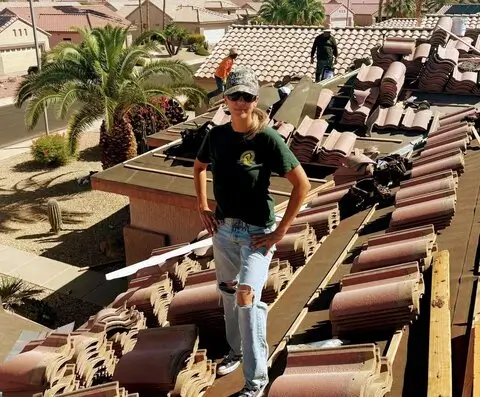
The right roofing contractor will show proof of their past work through photos or completed projects in your area. They must demonstrate their skills in checking roof decks, attics, flashings, chimneys, and valleys during inspections.
A good contractor explains the importance of proper ventilation and suggests the best materials for Arizona’s climate. Their experience should include proper handling of various roofing components, from shingles to ice barriers.
The contractor’s depth of knowledge helps ensure your roof installation meets quality standards and local regulations.
Can You Provide References or Portfolio Examples?
Professional roofing contractors will gladly share references from past customers in Surprise and nearby areas. These references help you check their work quality and customer service skills.
Your contractor should offer written proof of previous jobs, including photos and contact details of satisfied clients.
Portfolio examples show the contractor’s experience with different roofing materials and styles. You need to see their past work sites to make sure they can handle your specific roofing needs.
Good contractors maintain records of completed projects, which prove their skills and reliability. Make direct calls to their past clients and ask about their satisfaction levels with the roofing work.
What Warranties Do You Offer on Materials and Workmanship?
Roofing warranties protect your investment through two main types of coverage. Material warranties from manufacturers last 25-30 years and guard against defects in your shingles. Your contractor’s workmanship warranty spans 2-10 years and covers installation problems.
Most contractors offer a two-year guarantee on their work, while lifetime shingles get full coverage for 25 years.
Your written proposal must list all warranty details clearly. The manufacturer’s warranty stays with the original buyer and changes after 25 years. Make sure you understand the differences between material and labor warranties before signing any contracts.
A good contractor explains these warranties in simple terms and answers your questions about coverage limits.
How Will You Protect My Property During the Project?
Property protection stands as a crucial part of any roofing job. Your roofing contractor should outline clear steps to shield your home’s exterior features during the project. Professional contractors must explain their methods to protect your landscaping, driveway, and other outdoor items from falling debris.
They need to detail their plans for safeguarding gutters, windows, and special design elements that require extra care during installation.
Smart contractors place tarps and protective barriers around your property before starting work. These safety measures stop shingles, nails, and other materials from damaging your yard or outdoor spaces.
The contractor’s team should move or cover outdoor furniture, potted plants, and decorative items near the work area. Your contractor must also share their backup plans for sudden weather changes in Surprise, Arizona’s climate.
Good roofers will explain how they manage waste removal and cleanup to keep your property neat throughout the project.
What Are the Payment Terms and Financing Options?
Payment terms for roofing projects need a clear understanding before work starts. Most roofing contractors ask for a deposit between 10% to 30% of the total cost. The final payment happens after project completion, which protects you as a homeowner.
Smart contractors will put all payment details in writing through a formal contract.
Many roofing companies now offer flexible financing plans to help manage costs. These options can include monthly payments or special financing terms for larger projects. The payment structure must stay clear from the start, with no hidden fees or surprise charges later.
Your contractor should explain all costs upfront and list any possible price changes in the contract.
How Do You Handle Cleanup and Disposal of Old Materials?
Professional roofing contractors must provide clear details about their cleanup methods. A reputable roofer will bring dumpsters to the job site for proper disposal of old roofing materials.
The cleanup crew needs to use magnetic tools to collect loose nails from your property. Your contractor should explain the exact duration the dumpster will stay on your property.
The removal process includes specific steps to protect your home and landscape during the project. Your roofer must outline plans to shield your vehicles, outdoor items, and plants from falling debris.
The cleanup team should perform daily site inspections to remove waste materials and maintain a safe work area. A good contractor will make sure your property stays clean throughout the entire roofing job.
Conclusion
Asking the right questions before hiring a roofing contractor protects your investment and home. Smart homeowners gather details about licenses, insurance, warranties, and work quality from potential contractors.
These key questions help you pick reliable roofers who will deliver excellent results. Your roof stands as your home’s shield against the weather, making proper installation vital for lasting protection.
Armed with these essential questions, you can now confidently choose a qualified roofing contractor for your project.
FAQs
1. What insurance should I check before hiring a roofing contractor?
Ask your contractor to show proof of liability and workers’ compensation insurance. This protects you from legal issues if someone gets hurt on your property.
2. How do I know if a roofer understands proper roof ventilation?
The right roofer will take the time to explain ventilation needs for your home’s first line of defense. A good contractor should discuss both intake and exhaust vents to prevent water damage and extend roof life.
3. Should new shingles go on top of old ones?
Most roofing experts agree that the old roof needs to be replaced rather than layering new shingles on top. This helps contractors check for hidden damage and ensures proper installation.
4. What steps do contractors take to protect my property during roof work?
Professional roofing companies use tarps to protect your landscaping, clean up daily, and remove all debris when the job is done. They should explain their property protection plan before starting work.
5. How long will my new roof last?
A quality roof replacement using proper materials and installation methods should last one to three years beyond the warranty period. The contractor should be able to explain the lifespan of different roofing materials.
6. What questions should I ask about the contractor’s experience?
Ask how long they’ve been in business, check with your local building department for licenses, and request references from recent jobs. Listen to their answers about specific questions regarding flashing, drip edge, and ice and water shield installation.